
Service 04 / 04
App rescue and codebase takeovers
For products another agency or freelancer left half finished, and for prototypes built with AI tools that now have paying customers. I read the code first, then fix it in order of risk.
In short
I take over web apps that someone else started, from an agency’s unfinished build to a prototype made with an AI tool like Lovable, Bolt or Cursor. It starts with a written audit, usually within 1–2 weeks, that ranks the problems by risk. Then I fix the dangerous ones first and keep shipping features.
- Timeline
- An audit in 1–2 weeks
- Pricing
- Fixed price after a free estimate
- Where
- Daly City, CA · Remote across the US
- Stack
- Next.jsReactTypeScriptNode.js
A good fit if
- The agency or freelancer who built your app has moved on, and nobody left understands the code.
- Your app was built quickly with AI tools, works in a demo, and you’re about to put paying customers on it.
- Every release breaks something, and each new feature takes longer than the last.
- You need an upgrade nobody wants to touch, like an old Next.js version or a payment integration that’s been patched too many times.
Probably not a fit for
- A full rewrite on day one. Sometimes a rewrite is the answer, but only after an audit shows the current code can’t be saved.
What I build
Inherited a half-finished codebase or an AI-built prototype? I audit it first, then stabilize it so you can keep shipping.
- 01
A written audit
How the code is organized, where the security and data risks are, what’s slow and how it’s deployed. Each problem is ranked by risk, with what it would take to fix.
- 02
Security and data fixes
Database access rules, keys and secrets exposed to the browser, gaps in authentication and missing backups, fixed before anything else.
- 03
Payment checks
Stripe or PayPal tested end to end: webhooks, refunds, failed payments and plan changes.
- 04
Stability
Error monitoring, tests around the paths that bring in money, and preview deploys, so releases stop breaking things.
- 05
Upgrades
Framework and dependency upgrades, such as moving an app to Next.js 16, done in steps you can test.
- 06
Handover notes
A plain description of how the app fits together, so the next developer or your own team can pick it up.
How it runs
You approve a written scope and a fixed price before any work starts, then get a preview link every week.
Step 01
Audit
I read the code, run it, and check its access rules, payments and deploys. You get a written report, usually within 1–2 weeks.
Step 02
Stabilize
A focused sprint on the riskiest items: security and data first, then payments, then whatever keeps breaking.
Step 03
Ship
With the foundation steady, features go out on a schedule again, with a preview link every week.
Step 04
Stay or hand over
Keep me on for ongoing work, or hand the cleaned-up codebase and the notes to your own team.
Work in this area
All case studies
Fig. 02 · Online marketplace · Nov 2025 – present
One Divine Source
Taking over a two-sided marketplace and keeping it shipping
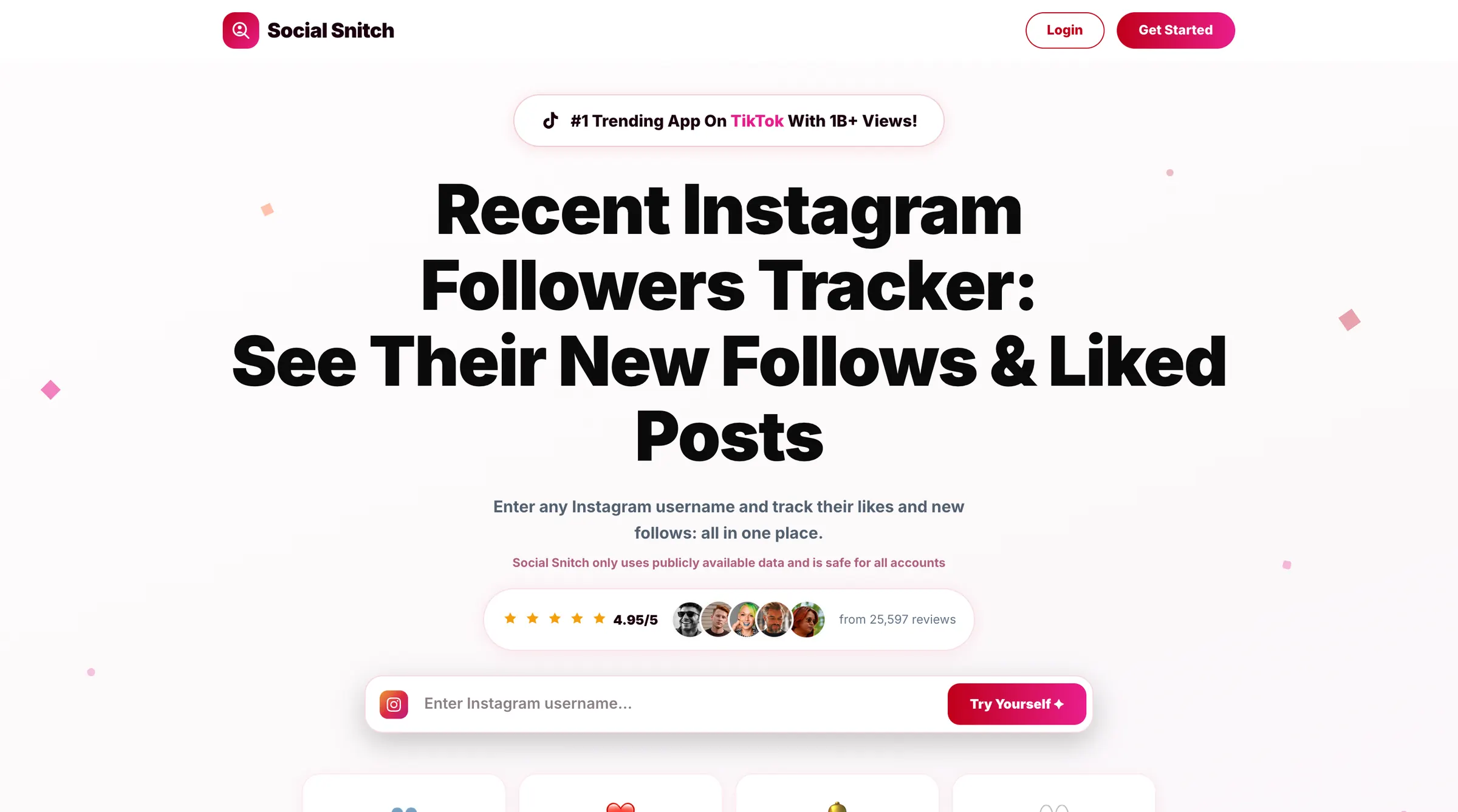
Fig. 03 · Consumer SaaS · Jul 2026 – present
Social Snitch
Turning an AI-built prototype into a production subscription app
She was able to get up and running in my codebase quickly. With very little visual design from me, she was able to elevate complex sections of my admin system from very basic and raw screens to beautifully designed and usable interfaces.
What affects the price
Every project gets a free estimate and a fixed price in writing before work starts. Typical timeline: an audit in 1–2 weeks.
- 01How large the codebase is, and how many outside services it depends on.
- 02Whether there are docs, tests, or anyone who can answer questions about how it works.
- 03Urgent production problems, which come before everything else.
- 04How much needs rebuilding rather than fixing. The audit tells you before you commit to either.
Common questions
Something else on your mind? Email mail@bluenebula.dev.
What does the audit cover?
How the code is organized, security and access control, payments and data handling, performance, and how it’s deployed. You get a written list of problems ranked by risk, with an estimate for fixing each one.
Can you fix an app built with Lovable, Bolt, Replit or Cursor?
Yes. Social Snitch started as a prototype built with Replit’s AI agent, and I rebuilt it on Next.js and Supabase as a production subscription app. AI-built apps often work in a demo and then fail with paying customers, usually for the same few reasons: database rules that let one user read another’s data, API keys exposed in the browser, and no handling for errors or failed payments. The audit checks for those first.
Do I need a full rewrite?
Usually not. Most of the value is in fixing the risky parts and leaving working code alone. If part of the app does need rebuilding, the audit says which part and why, before you spend anything on it.
What happens after the audit?
You decide. I can fix the problems in a stabilization sprint and keep working on the app, or you can give the report to your own team. It’s written so either works.
Have you taken over a project from another agency before?
Yes. In November 2025 I took over One Divine Source, a two-sided marketplace, from the agency that built it. I learned the codebase while it was live and earning, and have shipped new features every month since.
Further reading
Start a project
Tell me what you’re building.
Email is the fastest way to reach me, and I usually reply within a day. Or use the form, and I’ll get back to you the same way.
37.69°N 122.47°W · Daly City, CA · Remote across the US